William Harper
The North WaterWilliam Harper is a surgeon remembered for an act of practical kindness that shaped Patrick Sumner’s sense of what it means to protect someone vulnerable. Harper’s rescue of the abandoned child becomes a lasting point of reference in Sumner’s life: it resurfaces when he promises safety to a boy in Delhi and later returns in a dream that imagines Harper restored to health. The novel gives Harper little independent presence outside these memories, but their recurrence makes his care consequential beyond the brief scene in which it was offered.
Identity and Background
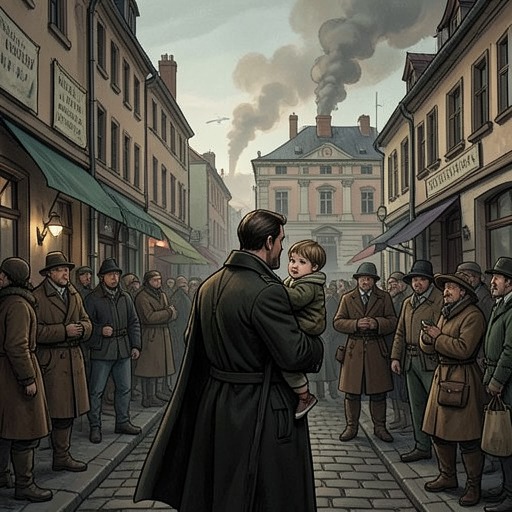
Harper is identified as a surgeon who took Sumner in during the latter’s childhood. About twenty years before the Delhi episode, Sumner had been left in an abandoned cabin after his parents were taken to a typhus hospital in Castlebar. His mother had assured him that they would return, but they did not. Harper was the person who remembered that the child had been left behind and acted on that recollection.
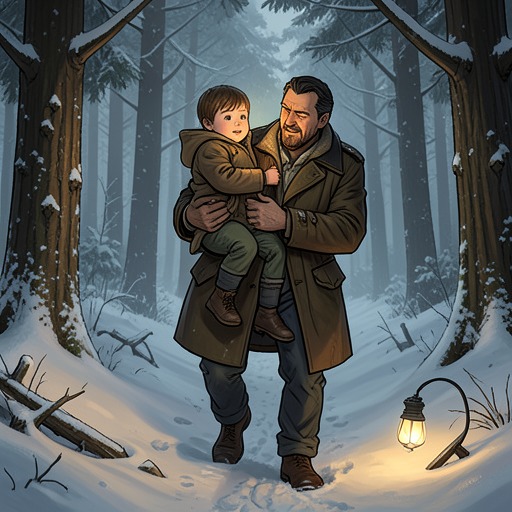
The account locates Harper’s intervention in a concrete sequence rather than presenting him as a general emblem of benevolence. He rode back the following day, found Sumner still where the adults had left him, and carried him outside. The boy remembers Harper’s green tweed suit and muddy pigskin boots, details that give the rescue a particular and durable shape in memory. Harper’s gentle manner and quiet curses are also recalled, but the decisive fact is his return: he noticed an absence that others had failed to correct and went back for the child.
Rescue and Its Lasting Effect
Sumner recalls the childhood episode while injured and isolated in Delhi. He has encountered a boy in an empty room in a city turned into a battleground, and wonders whether the child has a family or anyone left to protect him. That situation draws his thoughts back to his own abandonment and to Harper’s intervention. The memory is not only of being carried out of the cabin; it includes the contrast between his mother’s promise of return and Harper’s actual return the next day.
Sumner then tells the boy that he will protect him and keep him safe when the British soldiers arrive. The scene establishes a clear echo between Harper’s conduct and Sumner’s promise, without suggesting that the two situations are identical. Sumner is wounded, weak, and uncertain whether the boy might betray him, yet he still offers protection. Harper’s remembered act supplies a personal precedent for that commitment: care means responding to a particular child’s exposure and not leaving him where he has been forgotten.
The recollection also shows why Harper occupies an unusually secure place in Sumner’s personal history. After Harper’s death, Sumner persisted despite poverty and the loss of the man who had taken him in. The memory of Harper therefore links an early experience of being rescued with the later effort to build a life through medical work. The evidence does not make Harper responsible for every choice Sumner makes, but it presents his kindness as one of the experiences against which Sumner’s own conduct can be measured.
Death and Sumner’s Later Life
Harper dies before the Arctic narrative’s present action. He leaves Sumner nothing: by the time of his death, his possessions had been sold or mortgaged, or squandered on drink. This circumstance matters to Sumner’s account of his own persistence. Even when Harper could no longer provide material support or leave an inheritance, Sumner continued trying to advance, first through the possibility of lectures and lodgings in Belfast and then through service in the army.
The distinction between material inheritance and remembered care is central to Harper’s place in the story. Sumner receives no property from him, and the years of effort that follow are not presented as a simple continuation of Harper’s protection. Yet Harper remains present in Sumner’s memories as the person who once returned for him. When Sumner later feels that the reserves of determination he relied on have been exhausted, the contrast is sharp: the earlier rescue remains part of his history, but it cannot shield him from the consequences of his adult failures or restore his lost confidence.
The Dream and Narrative Significance
Harper appears again in a dream after Sumner operates on a priest at the Arctic mission. Sumner dreams that he is alone in a currach on the North Water and sees Harper standing on an iceberg, dressed in a green tweed suit and brown hat. The setting places the memory of Harper inside an uncertain, solitary landscape, while the familiar clothing connects this dream figure to the surgeon Sumner remembers from childhood.
In the dream, Harper seems wholly restored. Sumner sees no sign of the injury associated with the hunting accident that had driven Harper to drink; Harper moves his arm freely and appears complete. This is a dream image, not evidence that Harper recovered in life. Its meaning is held open by Sumner’s unanswered wish to learn how such restoration could have been achieved. Before he can ask, the currach has drifted too far away and his voice cannot carry across the water.
The dream thus joins Harper’s two forms of importance to Sumner: the remembered rescuer and the dead man whose life included physical injury and decline. It offers an imagined reversal of Harper’s damaged condition but withholds any explanation or reunion. Harper remains beyond reach, as he is in the present through death, while the memory of his earlier action remains close enough to shape Sumner’s conduct. His narrative significance lies in that tension between an act of care that can be remembered and a person who cannot be recovered.